

What is E-Waste?
Everything you need to know about e-waste.
Electronic devices continue to become increasingly integrated into our daily lives. While there are endless benefits such as connectivity and productivity, there are also many challenges.
e-waste is one of these.
Fast product life cycles, and limited options for recycling and reuse of electronic products, make e-waste the fastest growing type of waste globally with devastating environmental and health impacts.
With the rise of Web3 and its own contributions to the e-waste crisis, how might we harness these technologies for good, while reducing the impact to our environment?
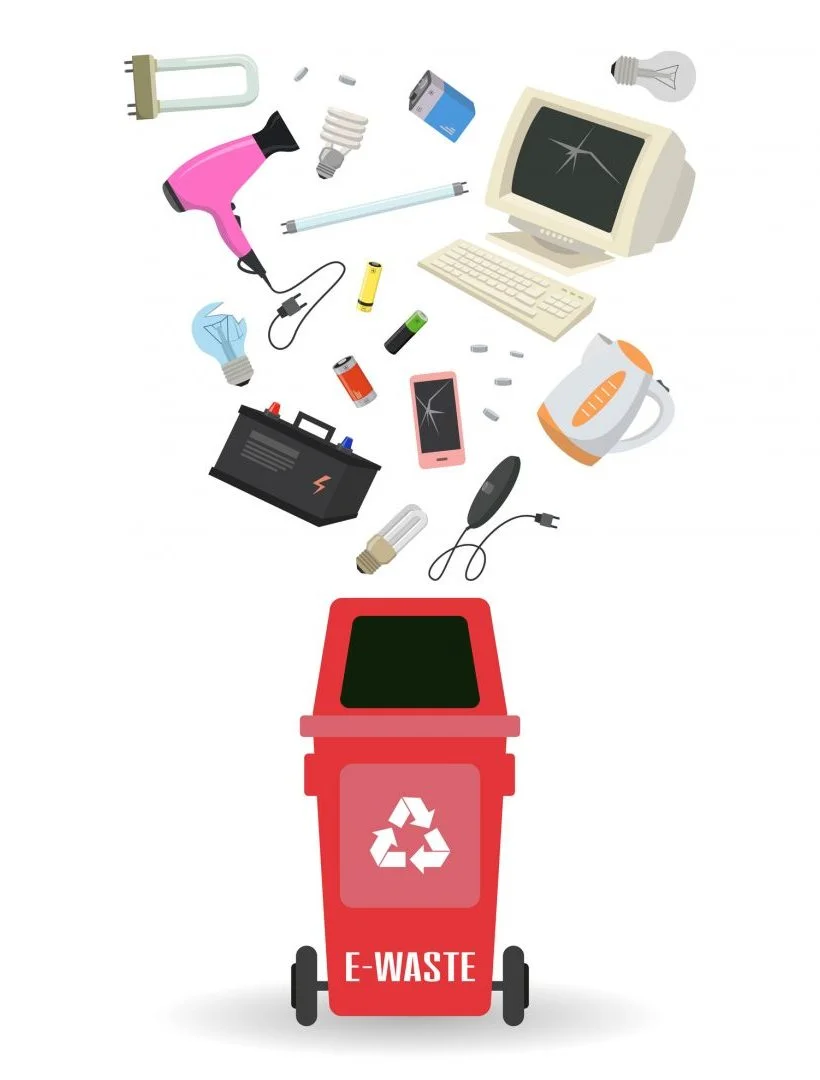
Alternatives to e-waste
Having an e-waste plan for disposal of e-waste is important. 88% of computers and TV's purchased in Australia every year end up in landfill. In 2011, the Australian government introduced a national, industry funded recycling scheme to reduce landfill of old TVs and computers. However, less than 1% of TVs and around 10% of computers and laptops are recycled in Australia.
- Examples of alternatives to e-waste and ideas to minimise your environmental footprint include:
- Donating e-waste, you can get in touch with community groups such as Recycling Near You that will fix and donate it to local organizations and charities
- Having a "battery passport" for electric vehicles which helps recycling companies determine the health, location and condition of a battery
- In Australia, Recycle with Mobile Muster and the NTCRS who are partnered with your local Optus, Telstra, Vodafone and Officeworks store and accept all brands of mobile phones, chargers and accessories for recycling
- Re-purpose old equipment as universal remotes to control smart devices, play music and video or cast to compatible devices
- Buying green electronics that use less power while in use, use toxic-free components, are easy to disassemble for recycling and reduce unnecessary packaging. Check the Energy Rating label when buying a new appliance to save money and save energy.
Organizations like Greenpeace also track how the largest consumer electronics companies are managing their environmental impact for people wanting to verify their computer and smartphone brand’s green credentials.
Greenpeace’s Guide to Greener Electronics considers different criteria using publicly available information from each company. Company grades are derived by the following criteria weighting: Transparency (30%), Commitment (30%), Performance (30%), and Advocacy (10%) across areas such as:
- greenhouse gas emissions and energy consumption of their own operations, and product supply chain
- amount and source of material resources used to manufacture their main products
- efforts to reduce dangerous chemicals in products and manufacturing process chemicals within supplier factories
While no companies achieved the top grade of A, the two companies that ranked the most highly with a grade of B include Fairphone and Apple.
Conclusion:
e-waste presents a rapidly increasing challenge with significant impacts.
Not only do consumers need to evaluate their relationships with electrical products, how we use, consume, and dispose of them, but it is essential that business steps up to the plate and examine their contributions, and how they can mitigate the impacts.
Changing consumer expectations demand it.
For those businesses that can harness opportunities enabled via Web3 in a considered manner, will uncover new avenues of growth.
Frequently asked questions
Electronic devices have increasingly become part of our daily lives – laptops, mobile phones, tablets, printers, game consoles – anything with a battery or plug. The average Australian household has approximately 17 electronic devices in their home. When these products stop working or are no longer required, they become e-waste. e-waste is the fastest growing type of waste globally, with the UN’s Global e-waste Monitor noting a record 53.6 million metric tonnes (Mt) of electronic waste was generated worldwide in 2019, up 21 per cent in just five years and they predict it will reach 74 Mt by 2030, almost double in just 16 years. The increasing volume of e-waste has been driven by higher consumption of electronics and electronic equipment, reliance on connectivity at work and at home, short product life cycles – think about how often the latest phone releases come out – along with limited options for repair. Of the record amount of e-waste, only 17.4 per cent was collected and recycled meaning high value, recoverable materials contained within like copper, and conservatively valued at US $57 billion, was mostly dumped or burned.
Related Stories


Our Locations
We partner with clients from offices across the globe. Find the Adaptovate team nearest you.
Get in touch